Typical situation
- Patient follow-up depends on scattered messages and sheets.
- Limited visibility into the real status of each process or case.
- Too much team time absorbed by repetitive tasks.
Representative scenario
This scenario shows how a clinic or care team could address scattered follow-up, repetitive tasks, and low traceability with a digital solution that is clearer, lighter, and easier to adopt.
Patient follow-up system · Clinic automation
This content describes a representative situation. It does not identify a specific client or disclose confidential information.
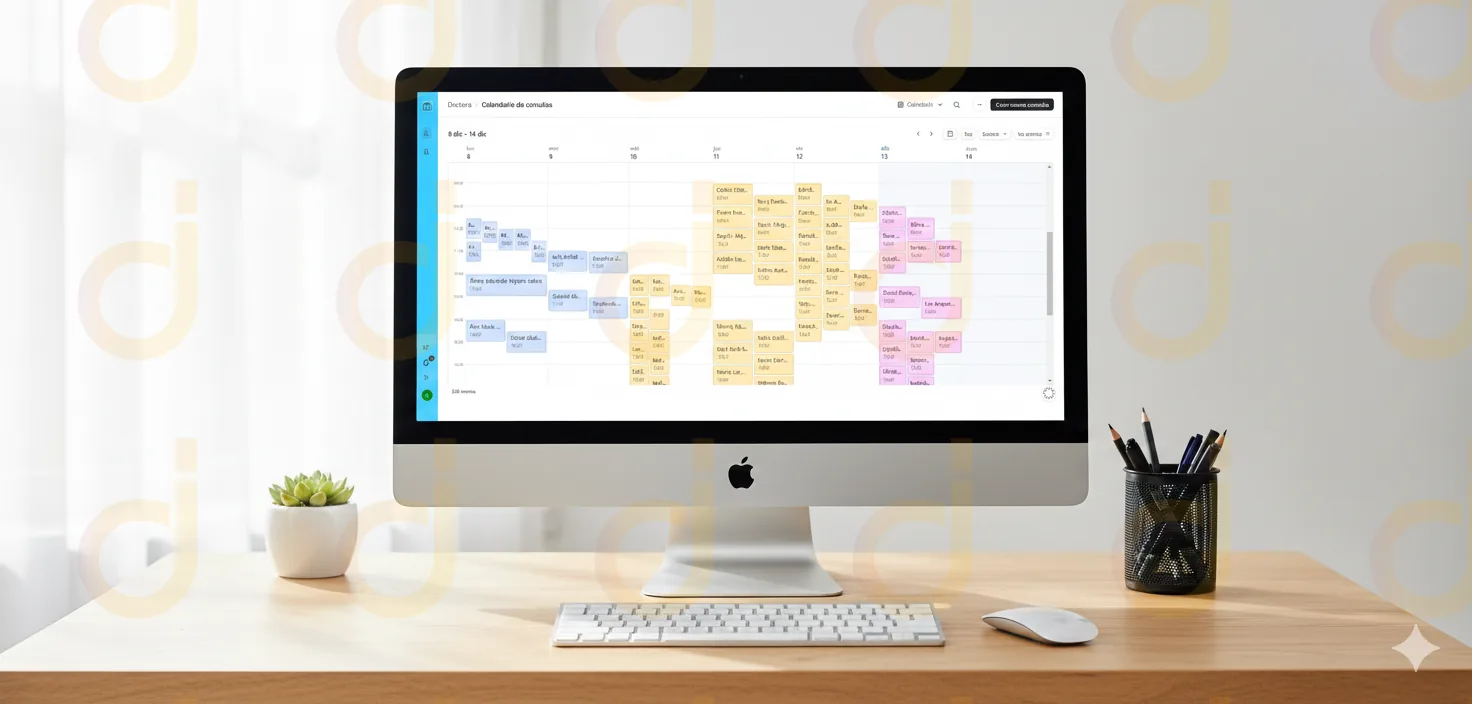
Many clinics grow while still relying on spreadsheets, loose messages, manual reminders, and fragmented follow-up. That works for a while, until friction turns into operating cost.
A clear tool that organizes follow-up, reduces operational friction, and helps the team work with more control and less manual strain.
The right approach does not start with screens. It starts with process: what happens today, where time is lost, and which part is worth digitalizing.
Review how the team works today and where most of the friction, errors, or lack of follow-up happens.
Choose which steps should become simpler, more visible, and more repeatable through digital support.
The result should help the team operate better without adding unnecessary friction or complexity.
The value appears in cleaner operations, more visible follow-up, and less dependence on manual effort.